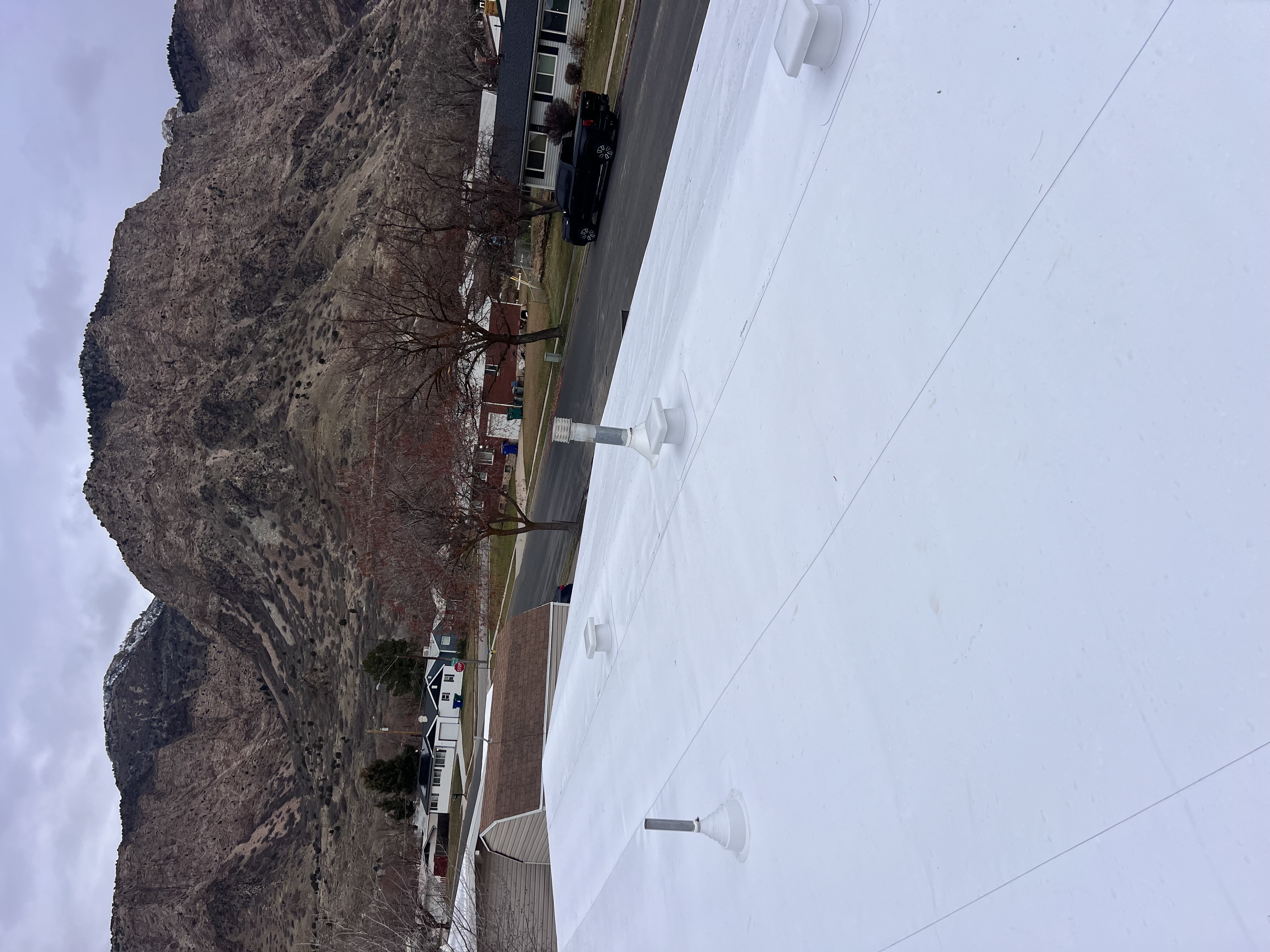
How Heat Cables Can Protect Your Roof
As winter approaches, homeowners are often concerned about the potential damage that ice and snow can inflict on their roofs. One effective solution that has gained popularity is the installation of heat cables. In this blog post, we’ll explore how heat cables work, their benefits, and why they are essential for ice dam prevention.
What Are Heat Cables?
Heat cables, also known as heat tape or roof de-icing cables, are electric cables designed to melt snow and ice on roofs and gutters. They provide a consistent source of heat that prevents the formation of ice dams, which can lead to serious roof damage.
How Do Heat Cables Work?
Heat cables are installed along the edges of the roof and in gutters. When activated, they emit heat that melts snow and ice, allowing water to flow freely off the roof instead of accumulating and forming ice dams. This process involves the following steps:
- Installation of heat cables along roof edges and in gutters.
- Activation of cables during cold weather conditions.
- Melting of snow and ice accumulation.
- Preventing water backup and ice dam formation.
Benefits of Installing Heat Cables
Investing in heat cables can provide several significant benefits for homeowners, particularly in colder climates. Here are some key advantages:
- Prevention of ice dams, reducing the risk of water damage.
- Extended lifespan of roofing materials.
- Lower maintenance costs by avoiding ice-related repairs.
- Increased safety by preventing icicles from forming.
- Enhanced comfort inside the home by maintaining proper insulation.
Ice Dam Prevention: Why It Matters
Ice dams can lead to a host of problems for homeowners, including leaks, mold growth, and structural damage. Understanding the importance of preventing ice dams is crucial for maintaining your home's integrity. Here are some reasons why ice dam prevention should be a priority:
- Water damage caused by leaks can lead to expensive repairs.
- Mold growth can pose health risks to your family.
- Structural damage can compromise the safety of your home.
- Insurance claims related to ice dam damage can be complicated.
Common Misconceptions About Heat Cables
Despite their effectiveness, there are several misconceptions about heat cables that can deter homeowners from considering them. Let’s clarify some of these myths:
- Heat cables are not a permanent solution: They are designed for specific winter conditions.
- They can be costly to operate: When used properly, they can save money on repairs.
- Heat cables are only for extreme climates: They can benefit homes in moderate winter areas as well.
Installation and Maintenance of Heat Cables
Proper installation and maintenance are critical to the effectiveness of heat cables. Here are some key points to consider:
- Hire a professional for installation to ensure proper placement.
- Regularly check cables for damage or wear.
- Activate cables at the first sign of winter weather.
- Consider installing a thermostat for automatic operation.
Conclusion
In conclusion, heat cables are an effective solution for preventing ice dams and protecting your roof during the winter months. By understanding their benefits and proper installation techniques, you can safeguard your home from the damaging effects of ice and snow. If you’re considering installing heat cables, consult with a roofing professional to determine the best solution for your needs.