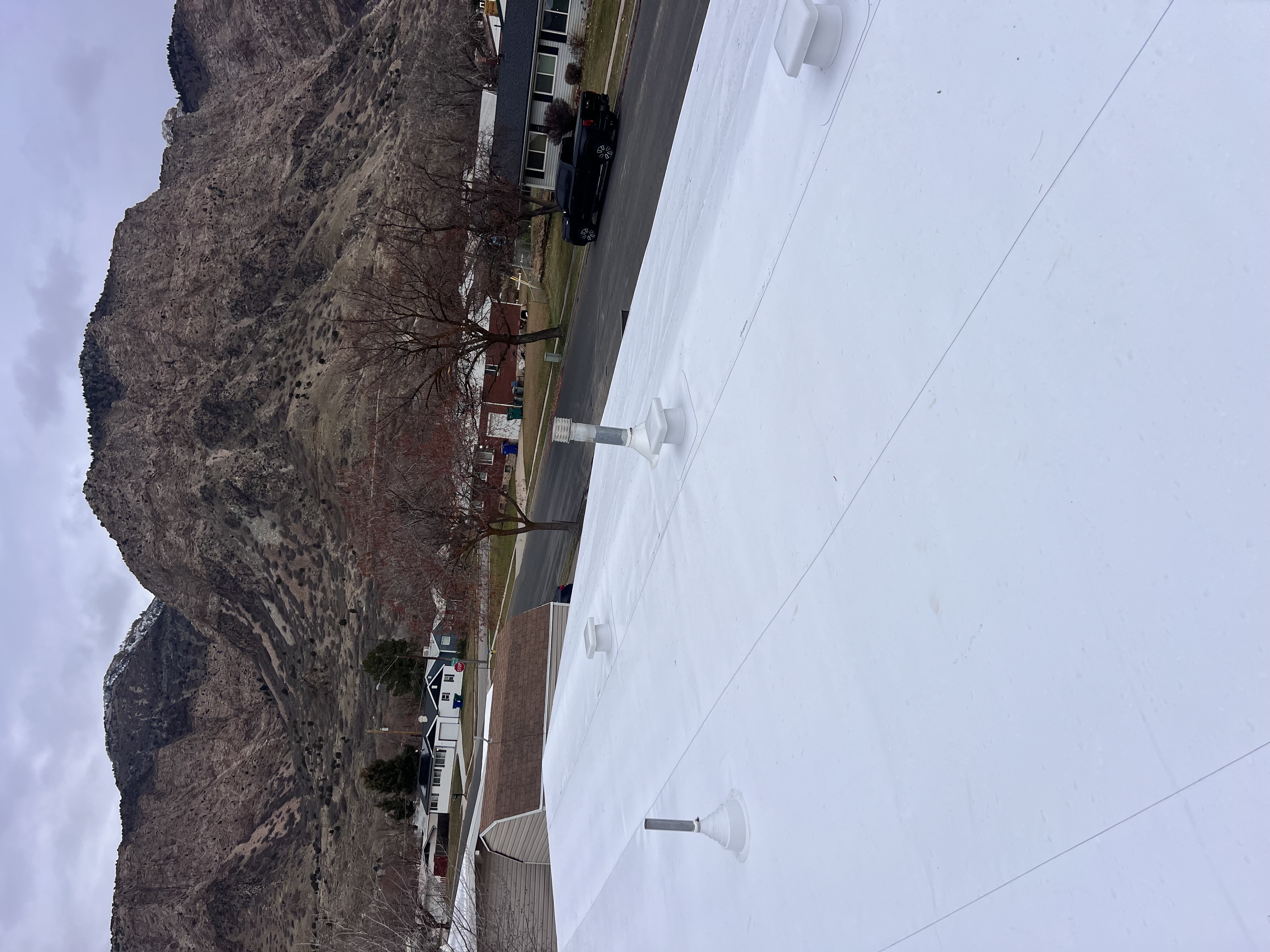
TPO Roofing: A Sustainable Choice for Commercial Buildings
In today's environmentally conscious world, businesses are increasingly looking for sustainable options that do not compromise on quality or performance. One such option is TPO roofing, a popular choice for commercial buildings. This blog post delves into the benefits of TPO roofing, its sustainability features, and why it may be the ideal choice for your next roofing project.
What is TPO Roofing?
TPO, or Thermoplastic Olefin, is a single-ply roofing membrane widely used in commercial roofing applications. It is composed of a blend of polypropylene and ethylene-propylene rubber, making it both durable and flexible. TPO roofing systems are known for their reflective properties, which can help reduce energy costs.
Key Benefits of TPO Roofing
- Cost-effective installation and materials
- High energy efficiency due to reflective surface
- Durable and resistant to punctures and tears
- Environmentally friendly with recyclable materials
- Easy to install and maintain
Energy Efficiency and Cost Savings
One of the standout features of TPO roofing is its energy efficiency. The white or light-colored surface reflects solar UV rays, significantly reducing heat absorption. This leads to lower cooling costs during hot months, providing long-term savings for commercial property owners.
Durability and Longevity
TPO roofing membranes are designed to withstand harsh weather conditions, including high winds, hail, and UV exposure. Most TPO roofs have a lifespan of 15 to 30 years, making them a wise investment for commercial properties.
Sustainability Features of TPO Roofing
TPO roofing is not just about performance; it also fits well within sustainable building practices. Here are some of the sustainability features that make TPO an attractive option:
- Made from environmentally friendly materials
- Reflective properties help reduce urban heat islands
- Recyclable at the end of its life cycle
- Contributes to LEED certification points for green buildings
Recyclability and Reduced Waste
TPO roofing can be recycled, minimizing landfill waste. This recyclability is crucial in the construction industry, which is often criticized for its environmental impact.
Installation and Maintenance of TPO Roofing
TPO roofing is relatively easy to install, which can lead to lower labor costs. It can be installed in various ways, including mechanically attached, fully adhered, or ballasted systems. Regular maintenance is minimal, usually involving inspections and simple cleaning.
Common Installation Methods
- Mechanically Attached: Fastened to the roof deck with screws.
- Fully Adhered: Glued directly to the insulation layer.
- Ballasted: Weighed down with gravel or pavers.
Conclusion
In conclusion, TPO roofing presents a sustainable, cost-effective solution for commercial buildings. Its durability, energy efficiency, and recyclability make it a wise choice for businesses looking to invest in their future while contributing to environmental sustainability. If you're considering a new roofing system, TPO roofing could be the perfect fit for your commercial needs.
Contact Us
If you're interested in learning more about TPO roofing or would like to discuss your roofing options, contact North Point Roofing LLC today at [northpointroofingllc.net](http://northpointroofingllc.net). Our team of experts is ready to assist you in making the best choice for your commercial roofing needs.